There is a distinction I have always felt quite strongly about: the difference between being possessive and being territorial. They can look similar from the outside. Both can involve a sense of belonging, protectiveness, attachment and a certain claim over the space someone occupies in your life. But to me, they come from very different places.
I am territorial. I am not possessive.
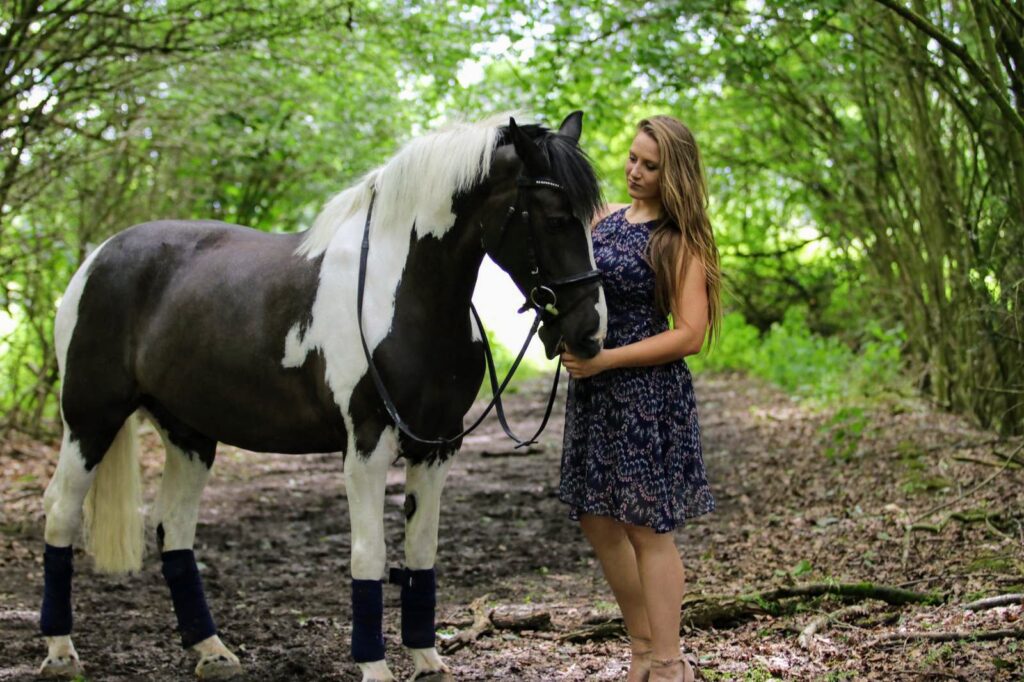
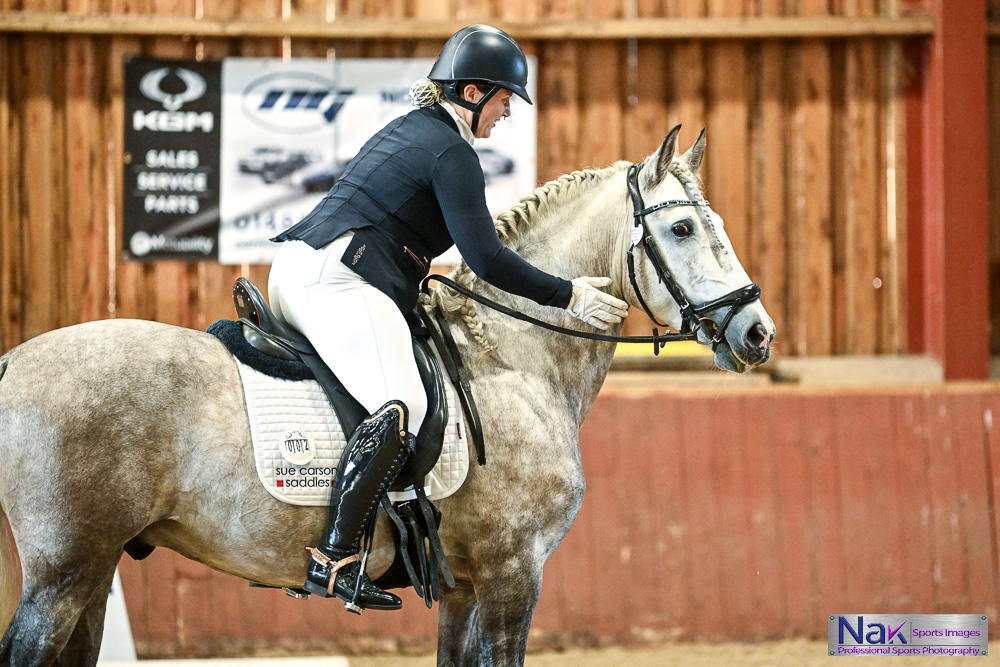
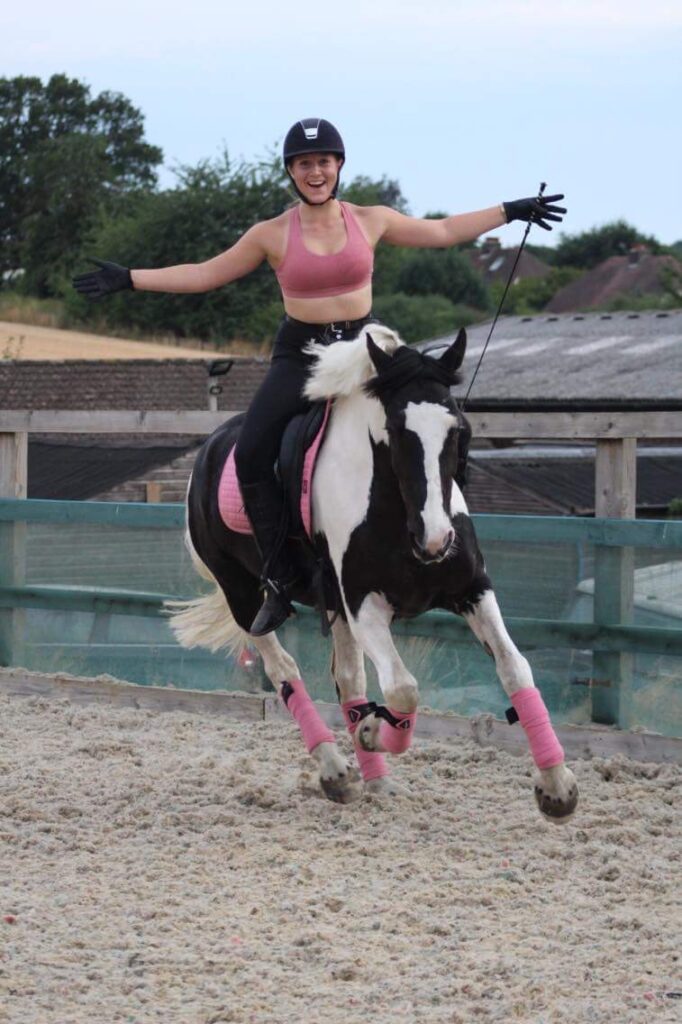
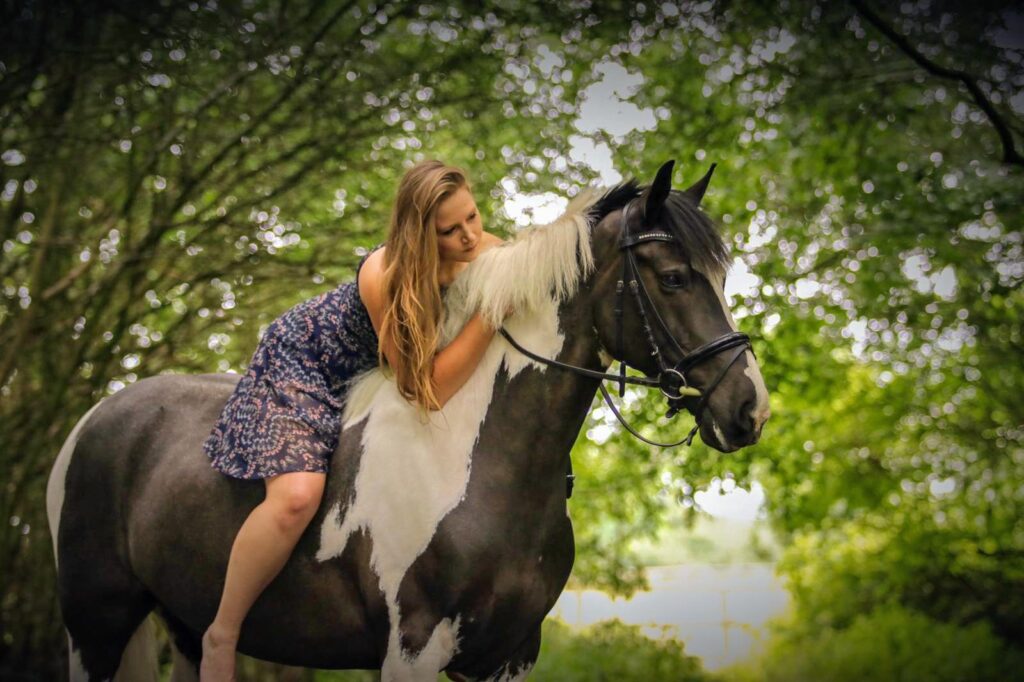
And perhaps the easiest way to explain what I mean is through my horses.
What my horses have taught me about belonging
Anyone who knows horses will understand that loving an animal doesn't mean wanting to own every moment of its existence. My horses are mine. I have responsibilities towards them, I make decisions for their welfare, I protect them, I provide for them and I take enormous pleasure in seeing them happy, healthy and fulfilled.
But I also love sharing them.
I love watching other people enjoy their company, build relationships with them, learn from them and experience the particular magic that comes from being around horses. Someone else's happiness with my horses doesn't diminish my relationship with them. It doesn't make them any less mine.
In fact, I find pleasure in knowing that the things I love are loved by others too.
My role isn't to keep everyone else away. It is to make sure that the environment around them is safe, that they are respected, that their needs are met and that the people who come into their world understand how to treat them.
I am their protector. Their advocate. Their safe place.
I don't need to restrict every interaction to know that I have a special relationship with them and I think that tells you quite a lot about how I approach relationships with people, too.
Territoriality is about responsibility, not restriction
When I describe myself as territorial, I don't mean that I want to control every interaction someone has, dictate who they can love or demand that the world revolves around me.
I mean that when someone becomes part of my world, I feel a responsibility towards them. I want them safe. I want them happy. I want them to feel valued, understood and protected.
I want to know that the people who share their lives treat them well. I want to create an environment where they can relax into being themselves, where they don't have to constantly defend their place or wonder whether they are wanted. There is something deeply satisfying to me about creating that kind of security.
Being territorial, in my understanding, is about caring deeply about the space and people that form part of my life. It is about being invested in their well-being and taking that investment seriously. It is not about putting a fence around someone and declaring that nobody else is allowed in. It is about making sure that wherever they are, they know they have somewhere safe to return to.
Mine doesn't mean exclusively mine
This is also why I find that my approach sits very comfortably alongside polyamory.
I don't see love as a finite resource. Someone loving another person doesn't mean they have less capacity to love me. Another connection doesn't have to be a threat to the connection we share. I don't need to be the only person who makes someone smile, the only person they turn to for affection or the only person who gets to experience their wonderful qualities. What matters to me is the quality of the relationship we have, the trust between us, the honesty we maintain and the care we show one another.
I can be deeply invested in someone and still be delighted that they have other people who make them happy.
I can feel protective of someone without believing I have the right to isolate them.
I can enjoy the knowledge that someone is mine without needing them to belong exclusively to me.
It doesn't mean that boundaries don't matter. They matter enormously. Nor does it mean that I have no preferences, needs or expectations. I absolutely do. It simply means that I don't confuse exclusivity with significance. I don't need to own every part of someone to have a meaningful place in their life.
The idea of being a Kahu
There is a Hawaiian word that I particularly love: Kahu.
It is often translated as guardian, caretaker, keeper or honoured attendant. It can also describe someone who has a pet, rather than using the more transactional idea of an owner. What I find particularly beautiful about this word is the relationship it suggests. It brings responsibility, care and guardianship into the language of belonging.
It isn't simply about having something. It is about having a relationship with something for which you have a duty of care. I find that a much more meaningful way of thinking about the things and beings I hold dear.
I appreciate that Hawaiian language and culture have their own depth and context, and I wouldn't claim that my interpretation represents the entirety of that tradition. But the meaning of Kahu resonates strongly with my own philosophy.
I would rather be someone's guardian than their jailer.
I would rather be the person who makes them feel safe than the person who makes them feel watched.
I would rather be trusted with their vulnerability than demand their submission through fear of losing my approval.
And perhaps that is where my understanding of Dominance comes into its own.
Being the Alpha
For me, Dominance isn't simply about having authority. It is about what I choose to do with it. There is a profound difference between someone who wants control because they cannot tolerate another person having independence, and someone who embraces responsibility because they genuinely enjoy caring for another person.
I find the latter far more compelling.
I enjoy knowing that someone trusts me. I enjoy being someone they can lean on. I enjoy the closeness that comes from knowing I have a place in their life that is meaningful and perhaps quite particular. I also enjoy the protective side of that dynamic. Not because I believe someone is incapable of looking after themselves, but because there is something special about choosing to look after one another.
My territorial nature means that I care about how people are treated within my world. I care about respect, consideration, honesty and emotional safety. I care about the atmosphere we create together.
And I expect those things to be reciprocated.
Being a protector doesn't mean being endlessly accommodating. It doesn't mean having no boundaries of my own. In fact, I think good guardianship requires quite firm boundaries. You cannot create a safe environment if you don't know what you will and won't accept within it.
There is room for more than one person in a safe space
Perhaps the biggest misconception about territoriality is that it must involve exclusion.
I don't believe that.
A home can have more than one welcome guest. A horse can have wonderful relationships with several people. A person can be loved by more than one partner. None of those things automatically diminish the importance of the existing connections. What matters is that everyone is treated with care, that agreements are respected and that nobody is made to feel disposable.
I don't want to build a world in which people have to compete for the right to exist in it. I want to build one in which people know where they stand, feel secure in their relationships and are free to enjoy the connections that bring them happiness.
There is a difference between protecting a relationship and protecting an ego. I am much more interested in the first.
Belonging without ownership
Ultimately, I think my philosophy comes down to this:
I like things to be mine in the sense that I am invested in them, connected to them and protective of them.
I like knowing that someone is part of my world. I like having shared rituals, familiarity, affection and the quiet confidence that comes from an established bond.
But I don't want to diminish someone else's freedom in order to feel secure in my place.
My horses don't love me less because someone else enjoys spending time with them.
My partners don't have less to give me because they have other people in their lives.
And I don't need to close my hands around the things I love to know that they are important to me.
Perhaps that is the heart of being territorial rather than possessive.
I don't want to own your happiness. I want to be someone who contributes to it.
I don't want to be the reason you cannot go elsewhere. I want to be the place you know you can come back to.
I want the people, animals and connections in my life to flourish, not simply to remain within my reach.
If you are mine, I want you safe. I want you cherished. I want you happy.
And I want you to know that there is a place for you in my world.
Not because I have locked the door behind you.
But because you are welcome here.